
Does That Nightcap Really Help You Sleep?
When Your Evening Glass of Wine Becomes a Ticket to Insomnia You've had a stressful day. Your mind is racing. You pour yourself a glass of wine—maybe two—and feel that familiar warmth spreading through your body. Finally, you can relax. Within minutes, you're drifting off to sleep. Problem solved, right? Not quite. While that evening drink might feel like a sleep remedy, it's actually setting you up for a restless night ahead. Let's unpack the complex relationship between alcohol and sleep.
SLEEP
Written by Lesia Le, PhD
1/13/20266 min read
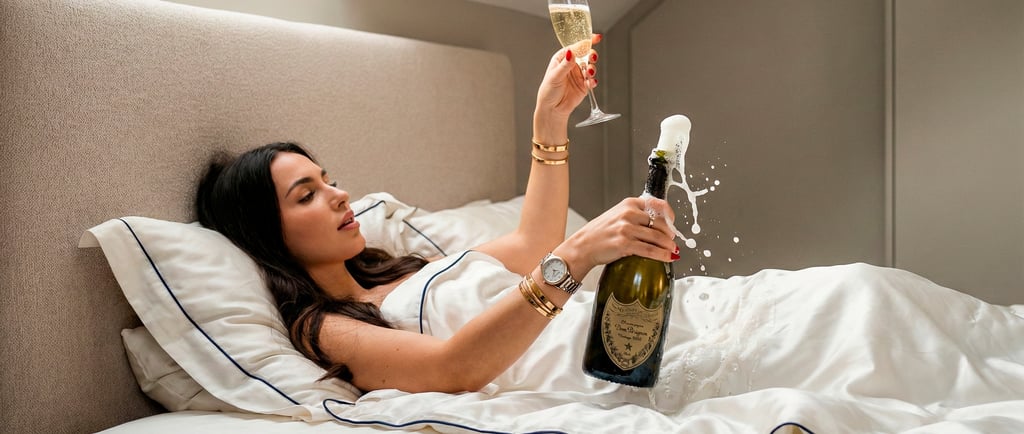

The Betrayal: How Alcohol Plays a Cruel Trick on Your Sleep
Alcohol is, paradoxically, both a sedative and a sleep disruptor. In the first 2-3 hours after consumption, it acts as a central nervous system depressant. It helps you fall asleep faster by increasing the production of adenosine, a sleep-inducing chemical in the brain, while simultaneously suppressing arousal mechanisms. This is why that glass of wine makes your eyelids feel heavy.
Here's the sobering fact: Alcohol metabolizes within 4-5 hours, and that's when the trouble begins. As your blood alcohol level drops, your body experiences a rebound effect. Your nervous system, which was suppressed, suddenly becomes hyperactive. Your sleep shifts from deep, restorative stages to lighter, more fragmented patterns.
What's happening in your brain during this window? Three critical things. First, alcohol suppresses REM (Rapid Eye Movement) sleep—the stage crucial for emotional regulation, memory consolidation, and cognitive function. Studies show that consuming just two drinks before bed can reduce REM sleep by up to 20-30%. Second, the withdrawal effect as alcohol clears your system triggers micro-awakenings. You might not consciously remember them, but your smartwatch data will tell a different story—dozens of brief interruptions throughout the night. Third, alcohol relaxes the muscles in your throat and tongue, increasing the likelihood of snoring and sleep apnea episodes, which can cause oxygen deprivation and further fragment your sleep.
The result? You wake up feeling exhausted despite spending eight hours in bed. Your deep sleep stages—where physical restoration occurs—have been severely compromised. Your body missed its opportunity to repair tissues, consolidate memories, and rebalance hormones. That morning grogginess isn't just a hangover; it's your body telling you it didn't get the restorative sleep it desperately needed.
Smart Strategies for Better Sleep Without Sacrificing Your Social Life
Time Your Drinking Window
Give your body at least 3-4 hours to metabolize alcohol before bedtime. If you're planning to sleep at 11 PM, finish your last drink by 7 PM. This allows the sedative effects to wear off before you hit the pillow, reducing the rebound arousal that disrupts your sleep later.
Practice the One-to-One Rule
For every alcoholic drink, consume one full glass of water. Alcohol is a diuretic, causing dehydration that can wake you up with thirst, headaches, or the need to urinate. Staying hydrated minimizes these sleep interruptions and helps your body process alcohol more efficiently.
Set a Weekly Limit
Research suggests keeping alcohol consumption to 6-8 occasions per month to minimize dependence risk and sleep disruption. If you find yourself reaching for a drink every night to fall asleep, you're likely developing problematic patterns. Consider alcohol-free weekdays or designate specific nights for drinking.
Create Alternative Wind-Down Rituals
Replace your evening drink with other relaxation techniques: a warm bath, gentle stretching, reading, or chamomile tea. These activities trigger the body's natural relaxation response without the sleep-disrupting rebound effect. The goal is to train your body to relax without relying on a chemical crutch.
Optimize Your Sleep Environment
Keep your bedroom cool (65-68°F or 18-20°C), dark, and quiet. Use blackout curtains and maintain 50-60% humidity. A comfortable mattress that supports your body without pressure points is essential—firm isn't necessarily better; you want adequate support with a comfort layer that contours to your shape.
Track Your Patterns
Use a sleep tracking app or journal to monitor how different amounts of alcohol affect your sleep quality. You might discover that one drink doesn't significantly impact you, but two or more cause noticeable disruption. Personalized data beats general guidelines.
Address the Root Cause
If you're using alcohol to cope with stress or anxiety that interferes with sleep, address the underlying issue. Regular exercise, cognitive behavioral therapy for insomnia (CBT-I), or consultation with a sleep specialist can provide lasting solutions without the downsides of alcohol.
Debunking Common Myths About Alcohol and Sleep
Myth 1: "A nightcap helps you sleep better"
Reality: While alcohol might help you fall asleep faster, it significantly reduces sleep quality. You're trading quick sedation for fragmented, unrefreshing sleep. The second half of your night becomes a series of disruptions as alcohol metabolizes and your nervous system rebounds. You might spend eight hours in bed but wake up feeling like you slept four.
Myth 2: "Red wine before bed is healthy because of antioxidants"
Reality: The sleep-disrupting effects of alcohol far outweigh any potential benefits from resveratrol or other antioxidants in red wine. You'd get more antioxidants from a handful of grapes without the sleep penalty. If you want the cardiovascular benefits, have your wine earlier in the day, not before bed.
Myth 3: "You build tolerance, so regular drinking won't affect your sleep"
Reality: You might feel like you're sleeping better as you develop tolerance, but objective measures tell a different story. Regular drinkers often have chronically disrupted sleep architecture with reduced deep sleep and REM sleep. Worse, you may need increasing amounts to feel the initial sedative effect, creating a dangerous cycle toward dependence.
Myth 4: "A drink helps you stay asleep through the night"
Reality: This is backwards. Alcohol causes more nighttime awakenings in the second half of the night as it metabolizes. It also acts as a diuretic, sending you to the bathroom multiple times. Many people wake up at 2-3 AM unable to fall back asleep—classic rebound insomnia from alcohol metabolism.
Myth 5: "Everyone reacts the same way to alcohol and sleep"
Reality: Individual responses vary based on genetics, body weight, age, sex, and metabolism. Women typically experience stronger effects from the same amount of alcohol due to differences in body composition and enzyme activity. Older adults metabolize alcohol more slowly and are more susceptible to sleep disruption. What seems harmless for one person might severely disrupt another's sleep.
Important Questions Answered
How much alcohol is too much before bed?
Even one drink within 2-3 hours of bedtime can affect sleep quality in sensitive individuals. A standard drink (5 oz wine, 12 oz beer, 1.5 oz spirits) takes about 1-1.5 hours to metabolize per drink. If you consume two drinks at 9 PM and sleep at 11 PM, you're still processing alcohol as you drift off, setting up that disruptive rebound effect around 2-3 AM.
Can I use alcohol occasionally for sleep without problems?
Occasional use (6-8 times per month) carries lower dependence risk than nightly use. However, you're still experiencing sleep disruption on those nights. The key is ensuring alcohol doesn't become your primary sleep tool. If you find yourself unable to sleep without it, you've crossed into problematic territory and should seek alternative solutions.
What about using alcohol for jet lag or shift work?
This is particularly problematic. Your circadian rhythm is already disrupted; adding alcohol compounds the problem. Instead, use timed light exposure, melatonin (under medical guidance), and strategic napping to adjust your sleep-wake cycle. Alcohol will only create more sleep debt and make adaptation harder.
I've been drinking nightly to sleep for months. How do I stop?
Consult a healthcare provider, especially if you're consuming 1.5 bottles of wine or equivalent nightly—this suggests dependence. Sudden cessation can cause rebound insomnia and withdrawal symptoms. A supervised tapering plan combined with evidence-based insomnia treatments (like CBT-I) offers the safest path forward. Cognitive behavioral therapy for insomnia is often more effective than medication and certainly safer than alcohol.
Finding Your Personal Balance
The relationship between alcohol and sleep isn't black and white. A glass of wine at dinner, finished hours before bedtime, affects you differently than drinking immediately before sleep. Your genetics, age, overall health, and drinking patterns all factor into the equation.
The goal isn't necessarily complete abstinence—though that's certainly the safest choice for sleep quality. Rather, it's understanding how alcohol affects your unique sleep architecture and making informed decisions. Track your patterns. Notice how you feel after drinking versus alcohol-free nights. Pay attention to sleep quality, not just sleep duration.
If you discover that alcohol consistently disrupts your sleep, you face a choice: prioritize immediate relaxation or long-term rest? Remember, chronic poor sleep doesn't just make you tired. It increases risks for obesity (through hormonal disruption), cardiovascular disease, depression, and cognitive decline. It's not just about feeling groggy tomorrow; it's about your health trajectory over years.
Consider consulting a sleep specialist if you're struggling with insomnia, especially if you've been self-medicating with alcohol. Effective, evidence-based treatments exist—from cognitive behavioral therapy to circadian rhythm optimization. These address the root cause rather than masking symptoms with a substance that ultimately makes the problem worse.
The bottom line: You can enjoy alcohol in moderation and still sleep well—just don't mix them temporally. Finish your drinks hours before bed, stay hydrated, and develop genuine relaxation practices that don't compromise your sleep. Your body will thank you, not just tomorrow morning, but for years to come. Quality sleep is one of the most powerful health tools you possess. Don't trade it for a temporary sense of relaxation that evaporates by midnight, leaving you tossing and turning until dawn.
Wellness
Empowering health through personalized care solutions.
Care
Health
© 2025 Care Health Wellness. All Rights Reserved. Web Design and Digital Marketing by Webartline