
Is Your Toe Numbness Serious?
How Tight Shoes Cause Compression Neuropathy—and Why It's Not Multiple Sclerosis You wake up one morning, and your big toe feels… odd. Not quite numb, but not quite normal either. That familiar tingling sensation creeps across your toes, and suddenly your mind races to the darkest corners. Could it be multiple sclerosis? A stroke? Something neurologically sinister? Before you spiral into panic, let's take a breath and examine the most common culprit: your footwear. The truth is, most toe numbness cases aren't signs of serious neurological conditions—they're the result of compression neuropathy caused by ill-fitting shoes. Let's explore this together, separate myth from reality, and discover when you should actually worry about that peculiar sensation in your feet.
NEUROLOGICAL CONDITIONS
Written by Lesia Le, PhD
1/2/20268 min read

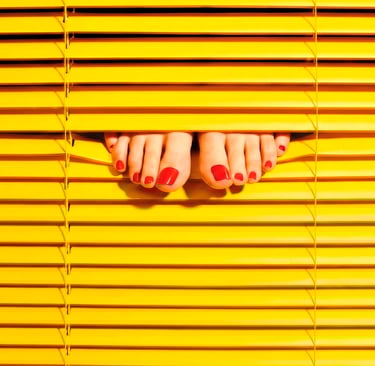
The Delicate Dance: How Tight Shoes Betray Your Nerves
Your feet are engineering marvels—26 bones, 33 joints, and over 100 muscles, tendons, and ligaments working in concert. But here's where the plot twist enters: running through this complex architecture are delicate nerve fibers, and they're shockingly vulnerable to pressure.
When you squeeze your foot into shoes that are even half a size too small, you initiate a cascade of events. The narrow toe box compresses the metatarsal bones together, creating a vise-like grip on the nerves running between them. The most common victim? The digital nerves supplying sensation to your toes, particularly the big toe and the area between your second and third toes.
Here's the sobering fact: Studies show that up to 98% of people complaining of "sweaty" or numb feet are simply wearing shoes that are too small. That statistic bears repeating—98%. We're not talking about a minor contributing factor; we're talking about nearly everyone who experiences these symptoms.
The mechanism is straightforward yet insidious. Continuous pressure on a nerve reduces blood flow to that nerve. Without adequate oxygen and nutrients, the nerve begins to misfire—sending strange signals to your brain. Sometimes it's numbness, sometimes tingling, occasionally a burning sensation. Your nerve is essentially crying out, "I'm being strangled here!"
The paradox? This compression happens gradually. You don't feel your shoes crushing your nerves in real-time. The process is so subtle that many people normalize the sensation, assuming it's just "how their feet feel." Meanwhile, the nerve damage accumulates, potentially becoming permanent if left unaddressed for months or years.
Smart Strategies for Happy, Healthy Feet
Evidence-based recommendations to prevent and reverse compression neuropathy
Measure Your Feet—Really Measure Them
Stop guessing your shoe size. Stand with your knee bent at 90 degrees (mimicking walking position), and have someone trace your foot on paper. Measure the longest distance from heel to toe in centimeters. Here's the critical insight: ignore the number on the shoe box. Different brands use wildly different sizing scales. A size 39 in one brand might fit like a 37 in another. Always reference the actual length in centimeters, not the arbitrary size number.
Become a Toe-Wiggling Expert
When trying shoes, bend your knee and lift your toes upward inside the shoe. Hold for 5 seconds. What do you feel? Focus specifically on each toe, starting with the big toe. If you sense any pressure, pinching, or if you can't lift your toes freely, the shoe is too narrow or too short. Your toes should have complete freedom of movement—they're not decorative appendages, they're functional structures that need space.
Recognize the Sock Conspiracy
Socks can reduce your effective shoe size by up to three sizes if they're too small. The culprit? Those adorable ankle socks that barely cover your heel. If your socks bunch up your toes, they're sabotaging your footwear. Proper socks should extend from your heel to the first knuckle of your toes. Replace worn-out socks every 3-4 months—yes, really. Stretched elastic loses its supportive properties and can actually pull your toes into unnatural positions.
Avoid the "Break-In" Myth
Shoes do not break in—they break down. That leather upper doesn't magically expand to accommodate your foot; it deforms and loses structural integrity. If shoes feel tight in the store, they'll feel tight forever (or until they fall apart). The right shoe feels comfortable immediately. Spend 10-15 minutes walking around the store in potential purchases. Your brain needs about a week to fully adapt to new footwear, but basic comfort should be immediate.
Create a Home Testing Protocol
Order shoes online with free returns, and wear them around your home for 30-60 minutes with new socks. Walk on carpet to keep soles pristine for potential returns. During this time, check for any pressure points, numbness, or discomfort. If you notice anything off, return them immediately. The slight inconvenience of returns is nothing compared to months of compression neuropathy recovery.
Strengthen Your Foot Architecture
While brushing your teeth (2 minutes, twice daily), practice grabbing objects with your toes—imagine picking up a tissue or pencil. This simple exercise stimulates blood flow to your feet and strengthens the intrinsic foot muscles that support nerve health. It takes 30 seconds per foot, requires zero equipment, and can prevent age-related foot collapse that makes properly fitting shoes even more critical.
Check for Warning Signs Weekly
Every Sunday (or pick your day), inspect your feet naked. Look for calluses (signs of friction), redness (pressure points), nail discoloration (trauma), or any areas that look inflamed. If you see consistent marks in the same location week after week, your shoes are causing chronic compression. Address it before nerve damage becomes permanent. Think of this as preventive maintenance for your body's foundation.
Debunking Common Myths
Separating footwear fiction from evidence-based facts
Myth 1: "Toe numbness always indicates a serious neurological condition like MS"
Reality: While multiple sclerosis can cause numbness, it typically presents with additional symptoms: vision changes, balance issues, fatigue, and numbness that affects multiple body regions simultaneously. Compression neuropathy from tight shoes affects only the compressed area (usually just the toes or forefoot), improves when shoes are removed, and has no other neurological symptoms. If your only symptom is toe numbness that appears after wearing certain shoes and disappears when barefoot, the culprit is almost certainly your footwear, not your nervous system.
Myth 2: "You should cut toenails in a specific shape (square or round) to prevent ingrown nails"
Reality: Nail shape has minimal impact on ingrown nails. The real culprit? Shoe pressure. Ingrown toenails occur when external pressure (from tight shoes) forces the surrounding tissue to swell and engulf the nail edge. If you wear properly fitted shoes, you can cut your nails however you prefer—round, square, or triangular. The anatomical truth: your nail is dead keratin; it cannot "decide" to grow into tissue. It's the inflamed tissue that invades the nail space, not the other way around.
Myth 3: "Shoes need to 'breathe' to prevent sweaty, uncomfortable feet"
Reality: Foot perspiration is regulated by your body's thermoregulation system, not shoe ventilation. The shocking truth: 98% of people who complain about excessively sweaty feet are wearing shoes that are too small. When your foot is compressed, your body increases blood flow to the area (attempting to deliver oxygen to stressed tissues), which raises temperature and triggers sweating as a cooling mechanism. Properly sized shoes—even in non-breathable materials—rarely cause excessive sweating because they don't create the compression that triggers the response.
Myth 4: "Orthopaedic shoes from stores provide medical-grade support"
Reality: True orthopaedic shoes are custom-made for your specific foot anatomy, prescribed by a medical professional, and tailored to address asymmetries (your left and right feet are different). Mass-market 'orthopaedic' shoes are marketing fiction—they're regular shoes with slightly more cushioning. They cannot correct biomechanical issues because everyone's foot structure is unique. These commercial products might feel more comfortable than cheap shoes, but they're not therapeutic devices. Over-the-counter orthopaedic insoles work only while you're wearing them; they provide no long-term correction once removed.
Myth 5: "High heels are acceptable if you only wear them occasionally"
Reality: Even brief heel wearing causes acute biomechanical disruption. Heels above 3cm (1.2 inches) force your body weight forward onto your metatarsal heads, compressing nerves and creating microtrauma. A single evening in high heels can cause nerve irritation that takes weeks to fully resolve. The maximum anatomically acceptable heel height is 3cm—anything above this threshold is cosmetic, not functional. To fit in heels, most women size down 1-1.5 sizes smaller than their actual foot length, compounding the nerve compression. The occasional special event might be worth the trade-off for you personally, but understand: there's no "safe" amount of high heel wearing from a podiatric perspective.
Important Questions Answered
Practical guidance for common foot health concerns
Q: How long does it take for toe numbness to resolve after switching to proper shoes?
Mild compression neuropathy typically improves within 2-6 weeks of removing the compressive force. However, if you've been wearing tight shoes for years, nerve recovery can take 3-6 months. Nerves regenerate slowly—approximately 1mm per day. The key indicator of healing: the numbness should gradually decrease in intensity and frequency. If numbness persists unchanged after 8 weeks in proper footwear, consult a neurologist to rule out other causes. Some cases may have developed permanent changes requiring medical intervention.
Q: When should I actually worry and see a doctor about toe numbness?
Seek immediate medical attention if numbness: 1) appears suddenly without any shoe changes, 2) affects both feet symmetrically and progressively worsens, 3) accompanies other symptoms like weakness, vision changes, or balance problems, 4) causes you to trip or stumble frequently, or 5) is accompanied by changes in bladder/bowel control. These patterns suggest systemic neurological issues (like MS, B12 deficiency, or diabetes) rather than localized compression. Schedule a routine appointment if numbness persists despite proper footwear for more than 3 months—this suggests investigation is warranted.
Q: Can I reverse damage if I've been wearing tight shoes for years?
The answer depends on severity. Mild to moderate compression neuropathy is usually reversible with proper footwear and time—nerves are remarkably resilient. However, chronic severe compression can cause permanent structural changes: nerve fibrosis, persistent numbness, and altered gait patterns. The hopeful news: even partial recovery significantly improves quality of life. Start by eliminating the compression source immediately, consider physical therapy for foot strengthening, and give your nerves 6 months to heal. Many people experience substantial improvement even after decades of poor footwear choices.
Q: Are there any supplements or treatments that speed nerve healing?
The evidence is mixed, but some interventions show promise. Vitamin B12 is essential for nerve health—if you're deficient (common in vegans, elderly, or those on certain medications), supplementation helps. Alpha-lipoic acid shows modest benefit in diabetic neuropathy studies. However, the most important "treatment" is removing the mechanical compression and ensuring adequate blood flow through movement. No supplement can overcome continued nerve crushing from tight shoes. Think of it like trying to heal a rope burn while someone keeps rubbing the rope—remove the friction first, then support healing.
Finding Your Personal Balance
Navigating foot health isn't about adopting rigid rules or living in orthopaedic clogs forever. It's about understanding the trade-offs and making informed decisions. Yes, that stunning pair of narrow leather boots might cause compression. Yes, fashion often conflicts with biomechanics. But armed with knowledge, you can make conscious choices rather than suffering in ignorance.
The complexity of the human foot means there's no one-size-fits-all solution. Your optimal footwear depends on your specific anatomy, activity level, age, and any underlying health conditions. What works for your friend might torture your feet, and vice versa. This individuality is precisely why professional guidance matters—a qualified podiatrist or orthotic specialist can assess your unique needs.
Here's the optimistic truth: most toe numbness cases aren't harbingers of neurological doom. They're your feet asking—sometimes loudly—for better treatment. By prioritizing proper fit over fashion (or at least achieving better balance between the two), you're investing in mobility, independence, and quality of life for decades to come.
Remember that sensation in your big toe we discussed at the beginning? It's not a medical mystery requiring extensive neurological workup (unless accompanied by red flag symptoms). It's most likely a straightforward mechanical problem with a straightforward mechanical solution: shoes that actually fit your feet.
Your feet carry you through life—literally. They deserve shoes that support rather than compress, that accommodate rather than constrain. The health of your foundation affects everything built upon it: knees, hips, spine, even your mood and energy levels. Take care of your feet, and they'll take care of you. Sometimes the most powerful medical intervention is simply giving your body the space it needs to function properly.
Wellness
Empowering health through personalized care solutions.
Care
Health
© 2025 Care Health Wellness. All Rights Reserved. Web Design and Digital Marketing by Webartline